

18 Aug What Should I Do If My Tooth Gets Knocked Out in Olathe, KS?
What Should I Do If My Tooth Gets Knocked Out?
A line drive to the mouth during a pickup softball game at a Olathe park, a slip on wet tile, or a fall off a bike can all end the same way, with a tooth sitting in your palm instead of your mouth. What should I do if my tooth gets knocked out is a question worth knowing the answer to before it happens, because the steps you take in the first 30 to 60 minutes matter more than almost anything a dentist does afterward. A knocked out permanent tooth, known clinically as an avulsed tooth, can often be saved and successfully replanted, but only if it is handled correctly and gotten to a dentist fast. More than 5 million teeth are knocked out every year, so this is a far more common emergency than most people realize.
What Should I Do If My Tooth Gets Knocked Out, Right Away
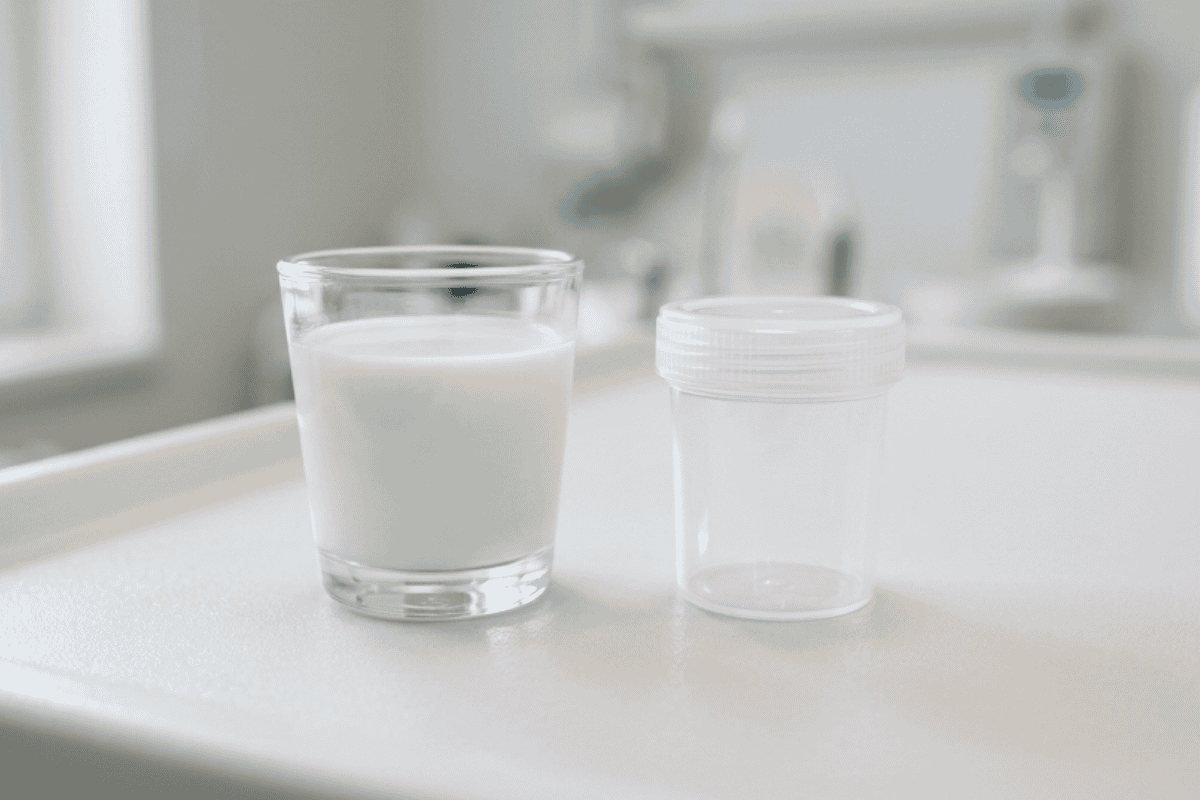
Pick the tooth up by the crown, the white chewing surface, and never touch the root. The root is covered in delicate ligament cells that are essential for successful reattachment, and touching or scraping them can damage the very tissue your dentist needs intact. The American Association of Endodontists walks through this exact handling technique as the first and most important step in saving an avulsed tooth. If the tooth is dirty, rinse it gently in water for no more than 10 seconds, without scrubbing or using soap. If you can manage it calmly, try placing the tooth back into its socket facing the right direction and gently biting down on clean gauze to hold it steady. If reinsertion is not possible, keep the tooth moist at all times by tucking it between your cheek and gum, or placing it in a small container of milk, and get to a dentist immediately.
The Clock Matters More Than People Expect
Every avulsed tooth has a survival window, and it closes quickly. Research on avulsion outcomes shows that immediate replantation within about 5 minutes offers the best long term survival for the tooth, but successful reimplantation is still realistic within 30 to 60 minutes if the tooth has been stored properly. After roughly an hour outside the mouth, the ligament cells on the root surface begin dying off in large numbers, which sharply lowers the odds of a lasting result even if the tooth is technically put back in place. International guidelines for managing this kind of dental trauma emphasize exactly this point: time out of the mouth and how the tooth was stored during that time are the two biggest predictors of whether replantation succeeds. This is why calling ahead while you are already on your way to the dentist, rather than waiting until you arrive, can genuinely change the outcome.
What to Do and What to Avoid: A Quick Reference
The table below summarizes the correct first aid steps against the common mistakes people make in the panic of the moment.
| Situation | Do This | Avoid This |
|---|---|---|
| Picking up the tooth | Hold it by the crown (chewing surface) only | Touching or scrubbing the root |
| Cleaning the tooth | Rinse gently in water for 10 seconds or less | Scrubbing, using soap, or drying it off |
| Storing the tooth | Milk, saliva, cheek pocket, or a tooth preservation product | Plain tap water or a dry paper towel |
| Getting treatment | Reach a dentist within 30 to 60 minutes | Waiting to see if it “feels fine” |
| Baby (primary) teeth | Keep it moist and call the dentist, but do not reinsert | Pushing a baby tooth back into the socket |
What Happens at the Dental Office
Once you arrive, your dentist will examine the socket, clean it if needed, and reposition the tooth if it was not already back in place, then stabilize it with a flexible splint that holds it against the neighboring teeth while the bone reattaches. The American Dental Association’s guidance for dental emergencies confirms this same approach for a knocked out adult tooth: keep it moist, reinsert it if possible without touching the root, and get to your dentist right away. Because the nerve and blood supply inside an avulsed tooth are almost always damaged beyond recovery, most replanted teeth need a root canal at some point, though it is often started a week or two after the splint goes in rather than the same day. X-rays taken at this first visit also check for damage to nearby teeth or the jawbone, which can happen in the same accident even when it is not obvious just from looking.
Why Choose Your Olathe Dentist
Every minute counts with an avulsed tooth, so we structure same day emergency calls around getting you seen fast, not around working you into whatever slot happens to be open later in the week. If you call our Lone Elm Road office right after an accident, our team walks you through the reinsertion and storage steps over the phone while you are already headed our way, because that guidance in the first few minutes genuinely affects whether the tooth can be saved. We also handle the splinting, the follow up root canal if one is needed, and the eventual crown all under one roof in Olathe, so your treatment does not get split across multiple offices during the exact weeks when consistent monitoring matters most for emergencies like this. For families across Olathe, KS, knowing that number is saved in your phone before an accident happens is what turns a frightening moment into a manageable one.
Conclusion
The rule of thumb to remember is this: handle the tooth only by the crown, keep it moist in milk or your own saliva, and get to a dentist within 30 to 60 minutes, because every one of those steps directly improves the odds of saving the tooth rather than losing it permanently. A splint and possibly a root canal are the realistic next steps after replantation, not a single fix that ends the process in one visit. Accidents involving a knocked out tooth are more common than most families in Olathe, KS expect, so save our number now rather than searching for it in a panic, and call our team at (913) 780-0011 the moment it happens.
Tooth Knocked Out? Request your appointment right away or call so we can guide you on the way in.
Frequently Asked Questions
What should I do if my tooth gets knocked out?
Pick the tooth up by the crown, never the root, and try placing it back into the socket if you can do so gently. If that is not possible, keep it moist in milk, your own saliva, or between your cheek and gum, and get to a dentist within 30 to 60 minutes. Speed and proper storage are the two biggest factors in whether the tooth can be saved.
Can a knocked out tooth be saved?
Yes, a knocked out permanent tooth can often be successfully replanted if it is handled correctly and treated quickly, ideally within an hour of the injury. The chances of success drop the longer the tooth is out of the mouth and if it dries out or is stored incorrectly. A dentist evaluates the tooth and socket to determine whether replantation is realistic in each case.
How long can a tooth stay out of your mouth and still be saved?
A knocked out tooth has the best chance of survival if it is replanted within about 5 minutes, but reimplantation can still succeed within 30 to 60 minutes if the tooth was kept moist the entire time. After roughly an hour outside the mouth, the cells on the root surface begin dying in large numbers, which significantly lowers the odds of long term success. This is why immediate action matters more than any other single factor.
Should you put milk on a knocked out tooth?
Yes, milk is one of the best options for keeping a knocked out tooth moist and viable on the way to the dentist. It has a similar pH and osmotic balance to the cells on the tooth’s root surface, unlike tap water, which can cause those cells to swell and rupture. If milk is not available, storing the tooth in your own saliva or tucking it between your cheek and gum are acceptable alternatives.
Do knocked out teeth always need a root canal?
Most knocked out adult teeth that are successfully replanted eventually need a root canal, because the nerve and blood supply inside the tooth are usually damaged beyond recovery during the injury. This treatment is often started a week or two after the tooth is splinted back into place rather than on the day of the accident. Baby teeth are handled differently and are not typically reinserted or treated with a root canal.

Sorry, the comment form is closed at this time.