

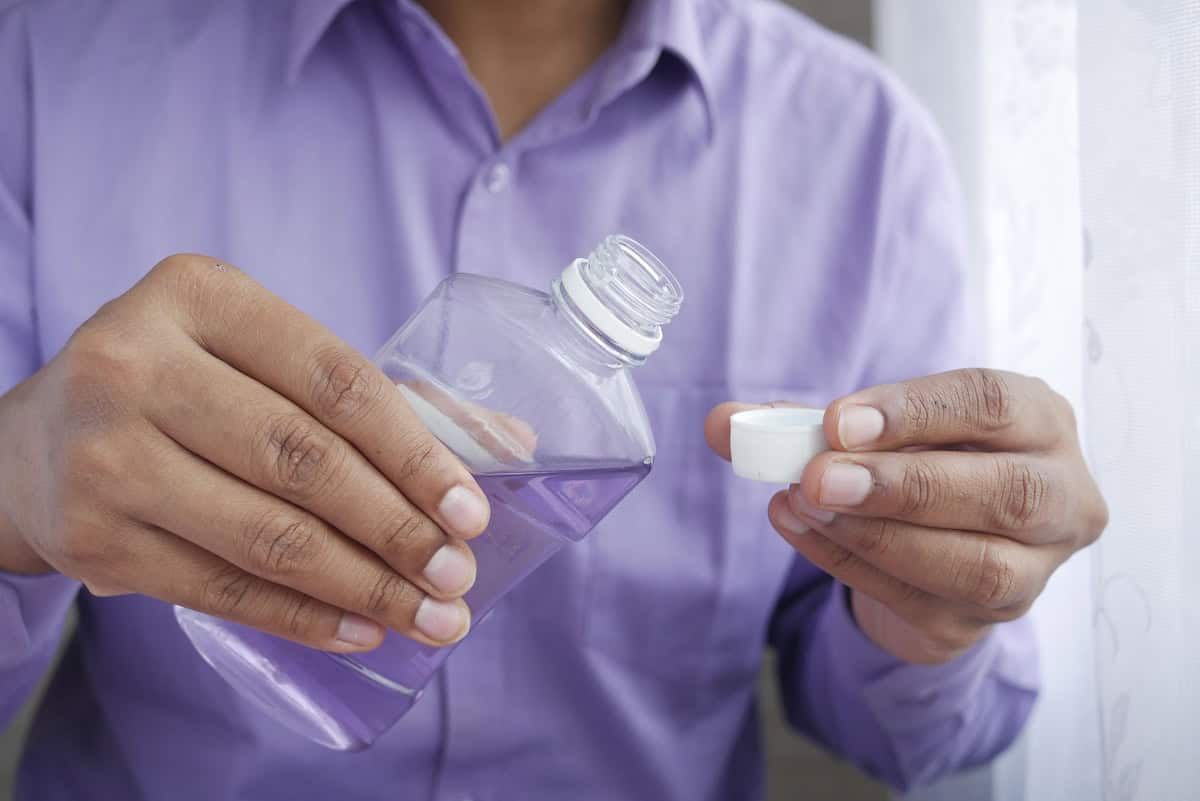
24 Aug The Truth About Mouthwash: Do You Really Need It?
Mouthwash is a common part of many people’s morning and nighttime routines. It promises fresher breath, fewer germs, stronger teeth, and better overall oral health. With so many options on store shelves—from fluoride rinses to alcohol-free formulas—it can be difficult to know whether mouthwash is actually necessary or simply an optional extra.
So, do you really need mouthwash?
The short answer is: not necessarily. For most people, mouthwash is not a substitute for brushing and flossing, which remain the foundation of good oral hygiene. However, the right mouthwash can provide additional benefits and may be recommended for certain oral health needs.
Here is what you should know about when mouthwash can help, when it may not be necessary, and how to choose the right one for your smile.
What Does Mouthwash Actually Do?
Mouthwash, also called an oral rinse, is designed to be swished around the mouth and then spit out. Depending on the ingredients, different mouthwashes can serve different purposes.
Some are primarily designed to freshen breath, while others contain active ingredients intended to help reduce plaque, prevent cavities, fight gingivitis, or strengthen tooth enamel.
For example, fluoride mouthwash can provide additional protection against tooth decay. Antiseptic or antibacterial rinses may help reduce certain bacteria associated with plaque and gum disease. Other products are formulated specifically for people with dry mouth, tooth sensitivity, or other concerns.
However, mouthwash cannot physically remove plaque and food debris the way brushing and flossing can. That distinction is important.
Is Mouthwash Necessary If You Brush and Floss?
If you brush your teeth twice a day with fluoride toothpaste and clean between your teeth regularly, you are already doing the most important things for maintaining your oral health.
For many people, adding mouthwash is optional.
Brushing removes plaque from the surfaces of your teeth, while flossing or using another interdental cleaner helps clean areas your toothbrush cannot easily reach. Mouthwash can provide another layer of support, but it does not make up for inconsistent brushing or flossing.
In other words, using mouthwash does not cancel out the effects of skipping your nightly brushing or forgetting to clean between your teeth.

The Benefits of Using Mouthwash
Although mouthwash is not essential for everyone, it can offer several benefits when used appropriately.
1. It Can Help Freshen Breath
One of the most common reasons people use mouthwash is to combat bad breath.
Certain mouthwashes temporarily reduce odor-causing bacteria and leave your mouth feeling fresher. However, persistent bad breath should not simply be covered up with mouthwash.
Chronic bad breath can sometimes be associated with gum disease, tooth decay, dry mouth, oral infections, or other health concerns. If bad breath continues despite good oral hygiene, talk with your dentist rather than relying on mouthwash to mask the problem.
2. Fluoride Rinses Can Help Prevent Cavities
Some mouthwashes contain fluoride, a mineral that helps strengthen tooth enamel and protect against cavities.
For people who are at increased risk for tooth decay, a fluoride rinse may be recommended as part of a comprehensive oral care routine. Your dentist can help determine whether additional fluoride protection would be beneficial for you.
It is important to remember that fluoride mouthwash is an addition to brushing with fluoride toothpaste, not a replacement for it.
3. Certain Rinses Can Help With Gum Health
Some therapeutic mouthwashes contain ingredients that can help reduce plaque and bacteria associated with gingivitis.
Gingivitis is an early form of gum disease that can cause red, swollen, or bleeding gums. Improving brushing and interdental cleaning is typically an important part of addressing gingivitis, but your dentist may recommend a specific mouthwash as part of your treatment plan.
Therapeutic rinses are different from cosmetic mouthwashes designed primarily to make your breath smell fresher.
4. It Can Reach Areas You May Miss
Mouthwash can move around the mouth and reach areas that may be difficult to access with a toothbrush.
That does not mean it can replace flossing. Bacteria and plaque that collect between teeth still need to be physically disrupted and removed.
Instead, think of mouthwash as an additional tool that complements the rest of your routine.
Are There Downsides to Mouthwash?
For most people, using an appropriate mouthwash as directed is safe. However, not every product is right for every person.
Some mouthwashes contain alcohol, which can contribute to a dry or uncomfortable feeling in the mouth. People who already experience dry mouth may prefer an alcohol-free formula.
Dry mouth is more than an inconvenience. Saliva helps protect teeth and maintain a healthy oral environment, so anything that contributes to persistent dryness may be worth discussing with your dentist.
Some mouthwashes can also cause temporary changes in taste or other side effects. Certain prescription-strength rinses may cause tooth staining or other effects when used for extended periods.
Does Alcohol-Free Mouthwash Work?
Alcohol-free mouthwash can absolutely be effective.
The effectiveness of a mouthwash depends on its active ingredients and what you are using it for—not simply whether it contains alcohol.
If you experience dry mouth, irritation, or discomfort from alcohol-containing rinses, an alcohol-free option may be more comfortable. There are also alcohol-free products designed to provide fluoride protection or other oral health benefits.
Rather than choosing a mouthwash based solely on whether it contains alcohol, consider what you actually want the product to accomplish.
How to Choose the Right Mouthwash
Walking into the oral care aisle can feel overwhelming. There are dozens of choices, and colorful packaging can make it difficult to know which product is actually appropriate for you.
Start by identifying your primary concern.
For cavity prevention: Look for a fluoride mouthwash if your dentist recommends additional fluoride.
For gum health: A therapeutic antibacterial or antimicrobial rinse may be appropriate for certain people.
For bad breath: Look for products designed to address odor-causing bacteria, but see your dentist if bad breath is persistent.
For dry mouth: Consider an alcohol-free rinse specifically formulated to help moisturize and relieve dry mouth symptoms.
For general use: An alcohol-free fluoride rinse may be a reasonable option for many people, depending on their individual oral health needs.
If you are unsure, ask your dentist or dental hygienist. They can recommend a product based on your teeth, gums, oral hygiene habits, and risk factors.
Common Mouthwash Mistakes to Avoid
Even the right mouthwash may not be helpful if you are using it incorrectly.
One common mistake is using mouthwash as a substitute for brushing and flossing. Another is assuming that a stronger burning sensation means the product is working better. It does not.
You should also follow the product’s instructions rather than assuming that more mouthwash will provide more protection. Do not swallow mouthwash, and keep products containing fluoride out of reach of young children.
Another consideration is timing. Some mouthwashes may interact with toothpaste ingredients or be intended for use at a specific time. Follow the manufacturer’s instructions or your dentist’s recommendations for the best results.
Should You Use Mouthwash Every Day?
Whether you should use mouthwash daily depends on the type of product and your individual oral health needs.
Some people may benefit from incorporating a fluoride or therapeutic rinse into their daily routine. Others may not need mouthwash at all.
If your dentist has recommended a specific rinse, follow their instructions regarding how often and when to use it. If you are simply using mouthwash for fresh breath, daily use may be more of a personal preference than a necessity.

The Bottom Line: Mouthwash Is an Extra, Not a Replacement
So, do you really need mouthwash?
For most people, the answer is no—not in the same way you need regular brushing and cleaning between your teeth. But that does not mean mouthwash is useless.
The right mouthwash can provide additional fluoride protection, support gum health, help manage certain oral health concerns, or simply freshen your breath. Whether it is worthwhile for you depends on your individual needs.
If you are unsure whether mouthwash belongs in your daily routine, talk with your dentist. They can help you determine whether you would benefit from a specific type of oral rinse and how to use it properly.
A healthy smile is built on consistent habits, regular dental care, and an oral hygiene routine that works for you. Mouthwash can be part of that routine—but it should complement the basics, not replace them.

Sorry, the comment form is closed at this time.