

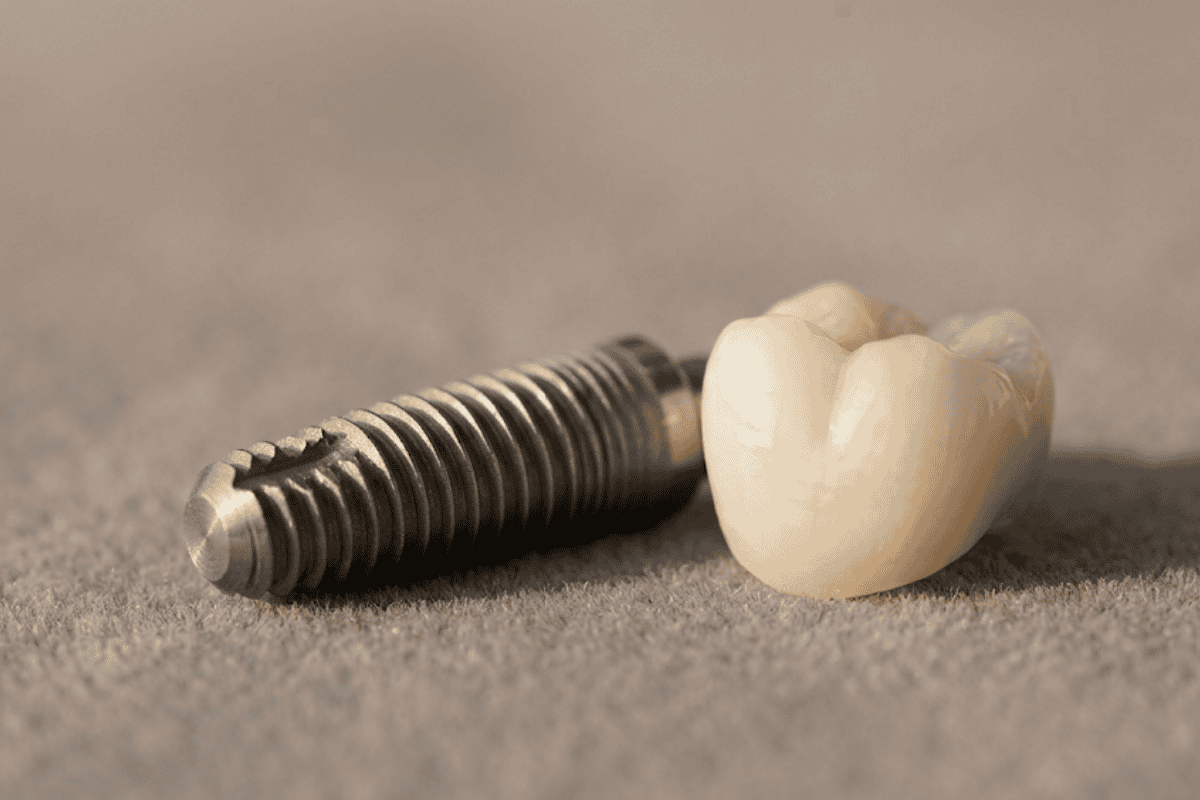
15 Jul How Long Do Dental Implants Take to Heal in Olathe, KS?
Dental implants do not finish healing in the week or two after surgery, even though the visible incision closes quickly and most people are back to their normal routine within about three days. The part that takes time happens out of sight, deep in the jaw, and that is why how long dental implants take to heal is measured in months rather than days. A traditional implant, from the day the post is placed to the day the final crown goes on, commonly spans five to ten months. Knowing what is happening at each stage makes the wait far easier, so here is the honest timeline our patients in Olathe, KS can expect.
How Long Dental Implants Take to Heal, Stage by Stage
The reason implants outlast every other tooth replacement is also the reason they take patience: the bone has to physically grow around the titanium post in a process called osseointegration. Cleveland Clinic notes that this fusion generally takes three to six months, and up to nine months for some people, because bone remodels slowly. Rush that window and the implant never gains the stability it needs, which is why no reputable dentist places a permanent crown early.
The first phase is initial recovery. Swelling, minor bleeding, and soreness peak in the first couple of days and then fade, and most patients return to work or school within about three days. Soft-tissue healing, where the gum around the site closes and firms up, generally takes one to two weeks. During this stretch you follow the same commonsense recovery steps outlined by surgery guidance from Mayo Clinic: soft foods, careful cleaning, and no smoking.
Once the bone has fused, your dentist attaches the abutment, the small connector post that links the implant to the crown. This can be a minor second procedure, and the gum tissue around it needs roughly two more weeks to heal before the final restoration. Only then does the permanent crown, bridge, or denture go on, and that final visit itself is quick, often about an hour. The ADA’s patient library explains this same healing sequence and why overall health matters at every step.
The Dental Implant Healing Timeline
The table below breaks the whole process into stages so you can see where the months actually go. Each timeframe listed here is also described in the text above and below, so the table simply gathers it in one place.
| Stage | What Happens | Typical Timeframe |
|---|---|---|
| Initial surgery recovery | Swelling and soreness subside; you return to normal activity | About 3 days to resume activity; ~1 week initial healing |
| Soft-tissue (gum) healing | Gum tissue closes and firms around the site | 1 to 2 weeks |
| Osseointegration | Jawbone grows and fuses around the implant post | 3 to 6 months, up to 9 months |
| Abutment placement | Connector post attached; gums heal around it | ~2 weeks of gum healing after placement |
| Crown placement | Final crown, bridge, or denture attached | ~1 hour visit, after healing is complete |
| Full healing (total, staged) | Whole process from placement to a working restored tooth | About 5 to 10 months (longer if a bone graft is needed) |
What Speeds Up or Slows Down Healing
Two people can get the same procedure and heal on very different schedules, because the timeline bends around your body and your habits. A few factors matter most:
- Bone grafting: if your jaw needs a graft first, that adds several months of healing before the implant can even be placed.
- Smoking and tobacco: these slow healing and raise the risk of implant failure, a point stressed by implant specialists at the American Academy of Implant Dentistry.
- Overall health: conditions like uncontrolled diabetes can interfere with healing, which is why your medical history matters more than your age.
- Oral hygiene: keeping the site clean protects the new bond during the vulnerable weeks.
The encouraging news is that the effort pays off. For healthy patients who keep the area clean, recovery data cited by WebMD puts implant success around 90 to 95 percent, among the highest of any dental procedure. Some cases also qualify for same-day implants, where a temporary tooth is placed the day the post goes in, though that option depends on having enough healthy bone and no smoking habit.
Why Choose Your Olathe Dentist
Because an implant heals in stages, the biggest risk to your result is a plan that gets handed off between offices and loses track of your progress. We place and restore implants in the same Olathe office, so the dentist who positioned your post is the one checking your osseointegration at each follow-up and deciding, based on your actual bone healing, when it is safe to move to the abutment and crown. That continuity means your healing checkpoints are read against your own baseline scans rather than a generic calendar. If a tooth still needs to come out first, we can coordinate the extraction, any grafting, and the implant timeline as one connected plan on Lone Elm Road instead of sending you across Kansas City for each step. For Olathe, KS patients who want to understand exactly where they are in the process at every visit, keeping the whole timeline under one roof is what makes the months feel manageable.
Conclusion
Here is the realistic expectation to hold onto: plan for a journey of roughly five to ten months for a traditional implant, most of it invisible bone healing, not a quick fix finished in a couple of weeks. The single most important thing you can do to stay on schedule is protect that healing window by avoiding tobacco, keeping the site clean, and showing up for your checkpoints. If you place an implant and feel sharp or worsening pain rather than steadily improving soreness, that is worth a call, because catching a problem early protects the whole investment. Patients in Olathe, KS get the smoothest results when they treat the timeline as a series of planned stages, so call our team to find out what yours would look like.
Thinking About Implants? A quick exam and scan tell us whether your bone is ready and how long your timeline is likely to run. Request your appointment and we will build a stage-by-stage plan around your mouth.
Frequently Asked Questions
How long does it take for dental implants to fully heal?
Full healing for a traditional implant usually takes about five to ten months from the day the post is placed to the day the final crown goes on. Initial soft-tissue recovery is quick, often a week or so, but the jawbone needs three to six months, and sometimes up to nine, to fuse to the implant.
How long does osseointegration take after an implant?
Osseointegration, the process of the jawbone fusing around the implant, generally takes three to six months and can extend up to nine months in some people. The exact length depends on your bone quality and how quickly your body heals, which is why a permanent crown is never placed until that fusion is confirmed.
How long does it take for gums to heal after dental implants?
The gum tissue around an implant site typically closes and firms up within one to two weeks after surgery. After the abutment is later attached, the gums usually need about two more weeks to heal before the final crown is placed.
How long after a dental implant can the crown be placed?
The permanent crown is placed only after osseointegration is complete and the gums have healed, which is commonly three to six months after the implant surgery. Once the abutment is attached and the gums settle for roughly two weeks, the crown appointment itself takes about an hour.
What does dental implant recovery look like week by week?
Most people resume normal activity within about three days and see swelling and soreness fade over the first week. Gum tissue heals over one to two weeks, then the bone quietly fuses to the implant over the following months before the abutment and crown complete the process.

Sorry, the comment form is closed at this time.