

29 Apr Signs You May Need a Dental Cleaning and How Often You Need One in Olathe, KS
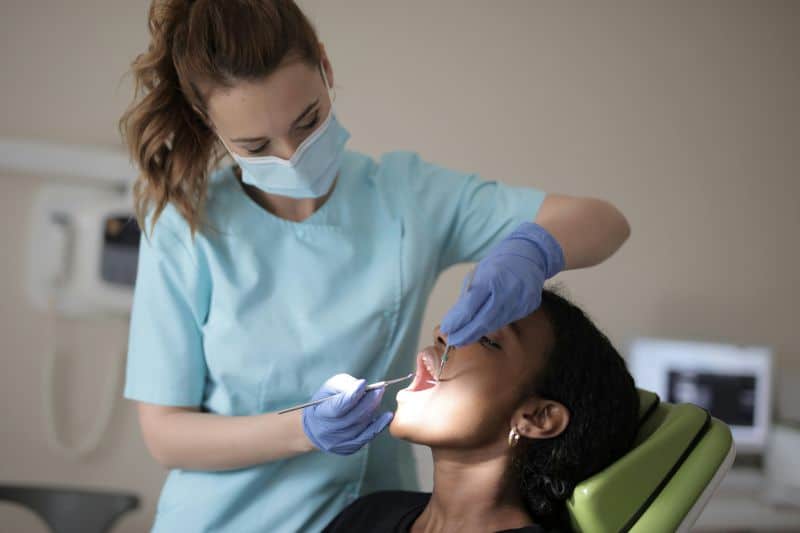
Dental cleaning is a professional procedure that removes plaque, tartar, and stains from your teeth. While brushing and flossing at home are essential, they don’t always reach every nook and cranny. That’s where dental cleaning comes in—it fills the gaps in your daily routine.
Put simply, dental cleaning isn’t just about appearance. It’s a preventive measure that helps you avoid bigger, more expensive dental problems down the road.
Why Dental Hygiene Matters
Good oral hygiene does more than keep your smile looking nice. It plays a major role in your overall health. Studies have shown links between oral health and conditions like heart disease and diabetes. So, skipping your dental cleaning appointments isn’t just about teeth—it can affect your entire body.

Top Signs You May Need a Dental Cleaning
Persistent Bad Breath
Let’s be honest—everyone has bad breath occasionally. But if it sticks around no matter how much you brush, that’s a red flag. Chronic bad breath often signals bacteria buildup, which only a dental cleaning can properly remove.
Bleeding Gums
If your gums bleed while brushing or flossing, don’t ignore it. This could be an early sign of gum disease. A professional dental cleaning helps remove the irritants causing inflammation.
Tooth Sensitivity
Sudden sensitivity to hot or cold foods? That might mean your enamel is weakening or your gums are receding. Dental cleaning can help identify and address the root cause.
Plaque and Tartar Buildup
Plaque is soft and removable, but tartar is hardened and stubborn. Once tartar forms, only a dentist can remove it. If you notice rough patches on your teeth, it’s time for a dental cleaning.
Yellowing Teeth
Stains from coffee, tea, or smoking can dull your smile. While whitening products help, a dental cleaning removes surface stains effectively and safely.
Gum Recession
When gums pull away from teeth, it exposes sensitive roots. This condition often results from poor oral hygiene and requires immediate attention, including a dental cleaning.

How Often Should You Get a Dental Cleaning?
Standard Recommendations
Most dentists recommend getting a dental cleaning every six months. This schedule works well for people with generally healthy teeth and gums.
However, that’s not a one-size-fits-all rule.
Factors That Influence Frequency
Age and Oral Health
Children and older adults may need more frequent dental cleaning visits due to higher risks of cavities or gum disease.
Lifestyle Habits
Smoking, drinking coffee, or eating sugary foods increases plaque buildup. If these habits sound familiar, you might need dental cleaning more often.
Medical Conditions
Conditions like diabetes can affect gum health. In such cases, dentists may recommend more frequent dental cleaning sessions.
Benefits of Regular Dental Cleanings
Prevention of Cavities
Dental cleaning removes plaque before it turns into cavities. Think of it as stopping a problem before it starts.
Gum Disease Control
Regular dental cleaning helps prevent gingivitis and periodontitis. Early treatment keeps your gums healthy and strong.
Fresh Breath and Whiter Teeth
A clean mouth feels better—it’s that simple. Dental cleaning eliminates odor-causing bacteria and brightens your smile.
What Happens During a Dental Cleaning?
Examination
Your dentist starts with a thorough check-up. They look for signs of decay, gum disease, or other issues.
Scaling and Polishing
Scaling removes plaque and tartar, while polishing smooths the teeth. This step is the heart of dental cleaning.
Fluoride Treatment
Fluoride strengthens your enamel and protects against cavities. It’s often the final step in dental cleaning.
Risks of Skipping Dental Cleanings
Tooth Decay
Without regular dental cleaning, plaque builds up and leads to cavities. These can become painful and costly to fix.
Advanced Gum Disease
Ignoring early signs can lead to severe gum disease. At this stage, dental cleaning alone may not be enough.
Tooth Loss
Yes, it can get that serious. Poor oral hygiene can eventually lead to losing teeth altogether.
Tips to Maintain Oral Hygiene Between Visits
Proper Brushing Techniques
Brush twice daily using a soft-bristled toothbrush. Spend at least two minutes each time.
Flossing Daily
Flossing removes food particles your brush can’t reach. It’s a must for effective dental cleaning at home.
Using Mouthwash
Mouthwash adds an extra layer of protection. It helps kill bacteria and freshens breath.
Dental Cleaning Myths Debunked
“Once a Year Is Enough”
This myth can cost you your oral health. Most people need dental cleaning twice a year, if not more.
“Cleanings Damage Teeth”
Not true. Professional dental cleaning is safe and designed to protect your teeth—not harm them.
“If My Teeth Don’t Hurt, I Don’t Need a Dental Cleaning”
This is a common misconception because many dental issues don’t cause pain in the early stages. Problems like cavities and gum disease can develop silently without noticeable symptoms. Regular dental cleaning helps catch these issues before they become painful and more serious.
“Brushing Harder Cleans Better”
Brushing aggressively does not improve cleanliness and can actually damage your enamel and gums. Over time, this habit may lead to gum recession and increased sensitivity. A gentle brushing technique combined with regular dental cleaning is far more effective.
“Flossing Isn’t Necessary If I Brush Well”
Even the best brushing can’t reach between your teeth where plaque often hides. Flossing removes debris and bacteria from these tight spaces, preventing buildup. Skipping flossing means your dental cleaning routine at home is incomplete.
FAQs
1. How long does a dental cleaning take?
A typical dental cleaning usually takes between 30 and 60 minutes. The exact duration depends on how much plaque and tartar need to be removed. If it’s been a while since your last visit, the appointment may take a bit longer.
2. Is dental cleaning painful?
Most dental cleaning procedures are not painful and are well tolerated by patients. However, you might feel slight discomfort if there is significant tartar buildup or gum sensitivity. Dentists can adjust their techniques to make the experience as comfortable as possible.
3. Can I eat after a dental cleaning?
Yes, you can eat after a dental cleaning, but it’s best to wait about 30 minutes. This is especially important if a fluoride treatment was applied, as it needs time to fully absorb. Choosing soft foods initially can also help if your gums feel slightly sensitive.
4. Does dental cleaning whiten teeth?
Dental cleaning can remove surface stains and make your teeth appear brighter. However, it does not change the natural color of your teeth like professional whitening treatments do. For deeper whitening results, additional cosmetic procedures may be recommended.
5. What happens if I skip dental cleaning for years?
Skipping dental cleaning for years can lead to serious oral health problems. Plaque buildup can turn into tartar, increasing the risk of cavities and gum disease. Over time, this neglect may even result in tooth loss and costly treatments.
6. Are electric toothbrushes better for maintaining dental cleaning results?
Electric toothbrushes are often more effective at removing plaque than manual ones. They provide consistent motion and can reach areas that are harder to clean by hand. Using one regularly can help maintain the results of your dental cleaning for longer.
In Conclusion
Dental cleaning isn’t just another appointment—it’s a cornerstone of your overall health. By recognizing the signs you may need a dental cleaning and understanding how often to schedule one, you’re taking a proactive step toward a healthier, brighter smile.
If you’ve been putting it off, now’s the time to act. Your future self—and your teeth—will thank you.

Sorry, the comment form is closed at this time.