


29 Nov How Much Sugar Is Too Much for Your Teeth in Olathe, KS?
The Truth About Sugar and Cavities: How Much Is Too Much?
When it comes to sugar and cavities, most people already know they’re linked. However, few understand how that connection really works. Even though sugar has been part of the human diet for centuries, the rise of processed foods has changed how often we expose our teeth to it. And the more frequently sugar interacts with your mouth, the higher your risk of tooth decay.
Dentists often explain that cavities don’t happen overnight. They’re the result of repeated attacks on your tooth enamel. These attacks begin the moment sugar hits your mouth. As soon as it’s there, bacteria start feeding on it, releasing acids that weaken enamel. Over time, these attacks add up, creating tiny holes that eventually grow into full cavities.

What Actually Causes Cavities?
Cavities aren’t caused directly by sugar—but by the acid that harmful bacteria produce after feeding on it. This acid sticks to your teeth and eats away at the protective enamel layer. Once that layer is compromised, your teeth become vulnerable. Although brushing and flossing help, they can only do so much if you’re constantly exposing your teeth to sugary foods or drinks.
How Sugar Interacts With Oral Bacteria
Inside your mouth are good and bad bacteria. The harmful ones, such as Streptococcus mutans, thrive when sugar is available. Think of sugar as fuel for these bacteria. The more fuel they have, the more acid they release. This cycle is why sipping soda throughout the day is more harmful than drinking it quickly. The repeated exposure gives bacteria more opportunities to produce acid.
How Much Sugar Is “Too Much”?
Understanding the limits is essential if you want to protect your teeth. While there’s no exact amount of sugar that guarantees a cavity, there are guidelines that help lower your risk. And thankfully, you don’t need to eliminate sugar completely to maintain healthy teeth. Instead, you just need to limit how often you eat it and how much you consume in a day.
Recommended Daily Sugar Limits
Health organizations suggest limiting added sugar intake to about 6 teaspoons per day for women and 9 teaspoons for men. Yet, most people consume far more than this without realizing it. This is where the problem with sugar and cavities becomes more obvious. The more sugar you consume, the more acid attacks your teeth must endure. Even small excesses add up quickly.
Hidden Sugars in Everyday Foods
Surprisingly, most sugar people consume isn’t from desserts. It’s hidden in foods like pasta sauces, salad dressings, and even yogurt. These hidden sugars turn everyday meals into potential cavity risks. That’s why reading labels matters. Even “healthy” snacks can contain significant amounts of sugar that harm your teeth. Watching out for names like fructose, sucrose, and maltose can make a big difference.
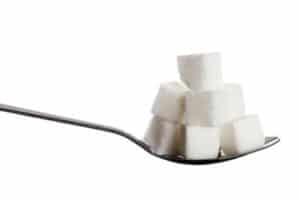
Types of Sugar and Their Effects on Teeth
It might seem like all sugar affects your teeth the same way, but that’s not entirely true. Some forms expose your teeth to sugar for longer periods, making cavities more likely. Others move through your mouth faster, giving bacteria less time to produce acid.
Natural vs. Added Sugars
Natural sugars found in fruit come packaged with fiber, water, and nutrients. These elements help protect your teeth. But added sugars in processed foods don’t offer any benefits—they simply increase your risk of cavities. While fruit still contains sugar, chewing it helps stimulate saliva, which washes away harmful acids.
Liquid Sugars: The Most Dangerous Form
Drinks like soda, sweet tea, energy drinks, and fruit juices coat your teeth in a sugary film. They drip between your teeth, creating ideal conditions for cavity-causing bacteria. Because they’re so easy to sip, many people consume them throughout the day, unknowingly creating constant acid attacks on their teeth.
Early Signs That Sugar Is Harming Your Teeth
Spotting the early signs of sugar-related damage can help you prevent cavities before they get worse. Many people ignore these signs because they seem small or temporary, but catching them early is key.
Symptoms You Shouldn’t Ignore
Some early signs include tooth sensitivity, white spots, or pain when eating something cold or sweet. These symptoms might seem mild, but they’re early warnings that your enamel is weakening.
When to See a Dentist
Dentists can detect cavity development before you feel pain. If you notice any symptoms or haven’t had a checkup in a while, a visit can prevent long-term damage. Professionals can also suggest fluoride treatments, sealants, or personalized care to protect your teeth.
How to Protect Your Teeth From Sugar Damage
Even if you enjoy sweets, you can still protect your oral health with a few smart habits. Reducing sugar exposure, improving your daily dental routine, and making mindful choices all help reduce the risk of cavities.
Smart Eating Habits
Try to limit sugary foods to mealtimes, when your saliva is most active. Saliva neutralizes acids and washes away food particles. Also, opt for snacks like nuts, cheese, or vegetables instead of candy or pastries.
Best Oral Care Practices
Brushing twice a day with fluoride toothpaste is essential. So is flossing daily. However, timing also matters. Waiting 30 minutes after eating sugary foods allows your enamel to recover before brushing.
Fluoride: Your Secret Weapon
Fluoride strengthens enamel and makes it more resistant to acid attacks. Many community water systems include fluoride, but you can also find it in toothpaste, mouthwash, and dental treatments. According to the American Dental Association, fluoride is one of the most effective ways to prevent cavities.

FAQs
1. How does sugar cause cavities?
Sugar feeds harmful bacteria in your mouth. These bacteria produce acids that weaken your enamel, eventually causing cavities.
2. Are natural sugars safer for teeth?
Natural sugars are less harmful because they’re found in whole foods with fiber and nutrients. Still, they should be eaten in moderation.
3. Can cavities heal on their own?
Early enamel damage can sometimes be reversed with fluoride and good oral care, but advanced cavities require dental treatment.
4. How quickly can sugar damage my teeth?
Acid attacks begin within minutes of sugar exposure. Repeated exposure throughout the day increases the risk of damage.
5. What drinks are worst for cavities?
Sodas, energy drinks, sweet tea, flavored coffee, and fruit juices are high-risk due to high sugar and acidity.
6. How do I know if I’m eating too much sugar?
If sugar appears in the first few ingredients of many foods you eat daily, you’re likely consuming too much.
In Conclusion
Understanding the truth about sugar and cavities empowers you to make healthier choices. You don’t need to give up sugar forever, but limiting your intake and practicing good dental habits will protect your teeth for years to come. With the right knowledge and daily routine, you can enjoy sweets without sacrificing your oral health.

Sorry, the comment form is closed at this time.